Insight into Yin Yoga
Larissa Ranglin | SEP 10, 2024
yinyoga
yin yoga
yoga
mental health
therapy
yogatherapy
evergroundz
Insight into Yin Yoga
Larissa Ranglin | SEP 10, 2024
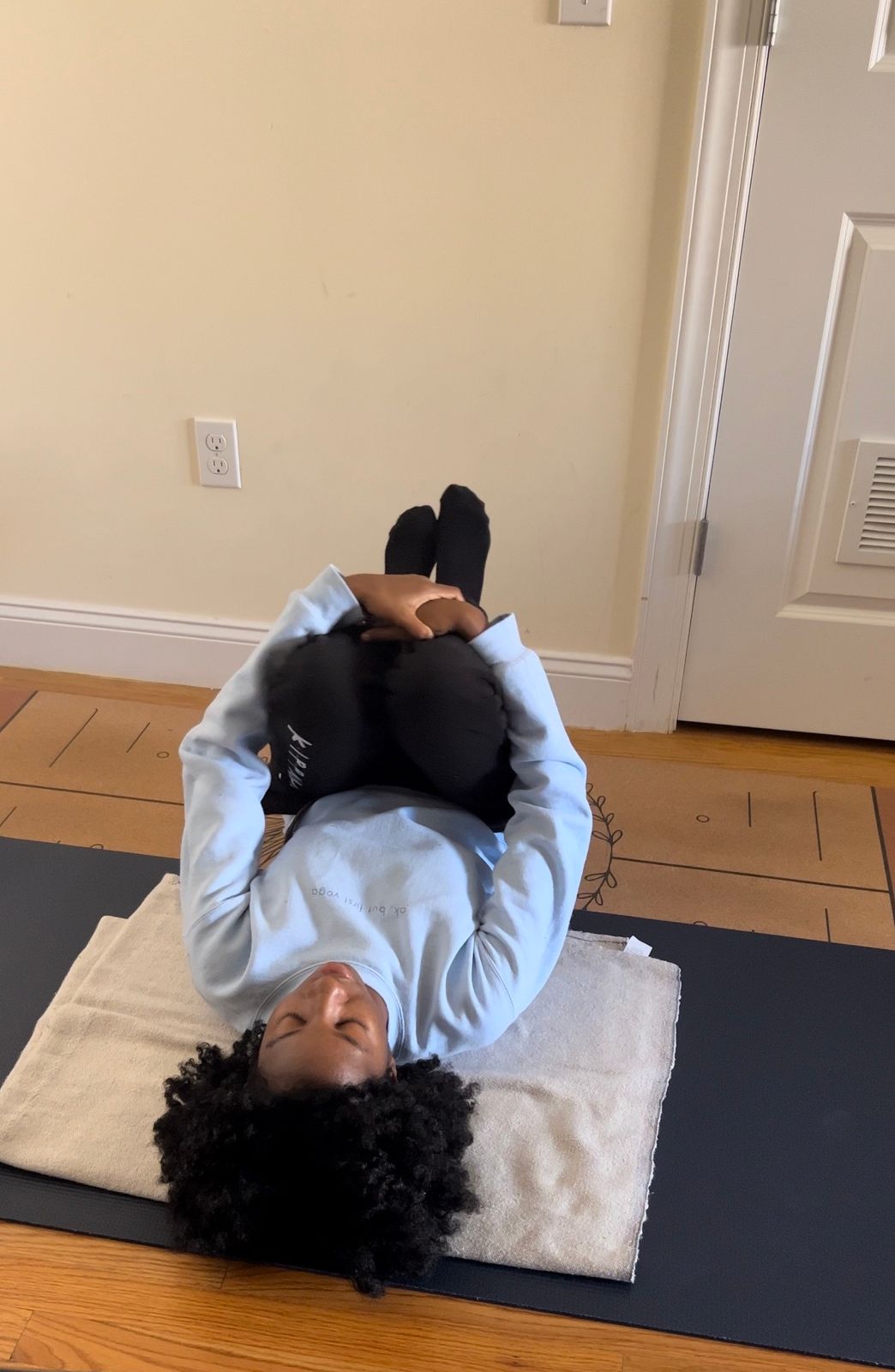
Yin yoga combines the ancient wisdom of Traditional Chinese Medicine with the gentle, meditative practice of holding yoga poses for extended periods. This form targets the connective tissues—like ligaments and fascia—and the energy pathways within the body, potentially promoting deep relaxation and improving flexibility. It's important to note that flexibility here refers not just to the physical aspect, which varies greatly among individuals due to differences in range of motion. It refers also to mental flexibility, encouraging adaptability to our thoughts and emotions.
The Significance of Holding Poses
Yin yoga involves maintaining poses for 1-5 minutes, which helps develop healthy connective tissues and enhances mindfulness, breath control, and body awareness. “Instructions are provided only as a guidance; the student is the one to determine what feels best for their particular body” (Meyers, 2022). Pranayama, or breathwork plays a crucial role in Yin Yoga. It serves as a vital bridge that connects the mind and body, deepening both physical relaxation and mental stillness essential to this meditative practice.
A Brief Historical Background
The practice was initially influenced by Paulie Zink’s martial arts stretching techniques in the 1970s. It was later refined by Paul Grilley and Sarah Powers. They integrated Zink’s methods with Hatha Yoga and the Chinese Meridian system, creating what is known today as Yin Yoga. (Meyers, 2022).
Principles of Yin Yoga
Yin Yoga's foundational principles include:
Recognizing bone structure differences is useful in Yin Yoga. Variations in bone length, joint size, and overall skeletal alignment can significantly influence how a pose feels and how deeply one can enter into it. By acknowledging these anatomical differences, practitioners can take variations of shapes to suit their unique bodies, ensuring a safer and more personalized practice that avoids harmful comparisons. For example, variations in the lumbar vertebrae can influence how backbending poses look and feel. This underlines the importance of adapting yoga shapes to individual needs—a practice in ahimsa (non-harming). This principle is beneficial as it promotes awareness of my physical body to prevent injury and ensure I’m moving safely. Learn more about bone variations and their impact on yoga practice.
Why Practice Yin Yoga?
Personally, Yin Yoga has been transformative, guiding me toward stillness in a fast-paced society and helping me manage my thoughts with increased compassion. It's not just about physical flexibility; it's a profound journey into mental and emotional self-exploration.
I've facilitated workshops for mental health professionals, integrating Yin Yoga with mindfulness practices in clinical settings. These sessions often include chair adaptations for office professionals to enhance accessibility. Two notable workshops include:
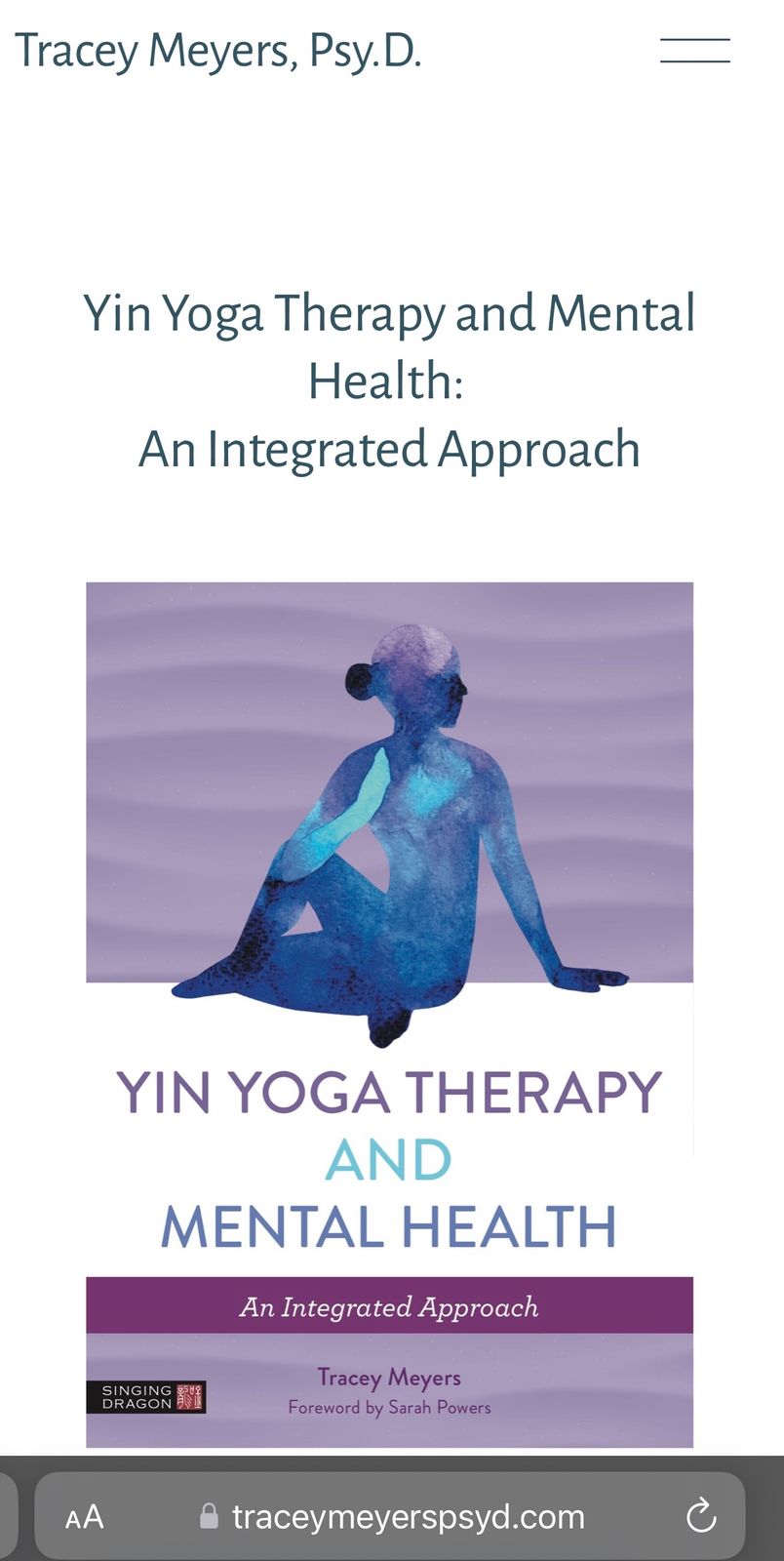
As a yin yoga teacher I have utilized the following book as a helpful resource regarding the integration of yin yoga with mental health conditions:
Yin Yoga Therapy and Mental Health: An Integrated Approach by Tracey Meyers
Yin Yoga serves as a gateway to the body, helping clients move away from repetitive thought cycles and engage with present-moment bodily sensations. This practice fosters a heightened awareness of thoughts, which can be particularly beneficial for managing automatic negative thoughts and enhancing cognitive flexibility (Vorkapic and Rangé, 2014).
Examples: Thoughts such as “I’m a failure” or unhelpful thoughts about body image while practicing might be challenged and reframed to "My body is strong, alive, supported" (Meyers, 2022).
While Yin Yoga is beneficial, financial barriers and a lack of diversity among instructors can limit access. More research is needed to explore specific yoga practices like Yin for various mental health conditions. More BIPOC (Black, Indigenous, People of Color) teachers can help increase access, as well as training for yoga professionals on working with individuals with disabilities and neurodivergent individuals.
For a deeper understanding of Yin Yoga poses and potential contraindications, it's advisable to consult with a yoga instructor. It's important to remember that each body is unique, and Yin yoga shapes will look different on everyone. As noted by David Williams, "The real yoga is what you can’t see." On the following site, you can learn more about yin yoga benefits and shapes. Explore detailed insights on yin yoga asanas and their adaptations.
If Yin Yoga intrigues you, or if you're a healthcare professional interested in collaboration, consider reaching out for a complimentary 15-minute consultation. For more information and to explore how Yin Yoga can benefit you or your clients, visit Evergroundz Yoga Therapy.
Are you interested in yoga therapy but concerned about the cost? I offer a limited number of low-cost service slots to support accessibility.
If you are in a position of access to higher financial means consider providing monetary support to help individuals have access to this resource. Learn more here.
References
Larissa is the founder of Evergroundz. She began Evergroundz for individuals to cultivate their inner wisdom through yoga, meditation, and wellness practices, while navigating life experiences with compassion. You can find her on Instagram @evergroundz
Larissa Ranglin | SEP 10, 2024
Share this blog post
 OfferingTree